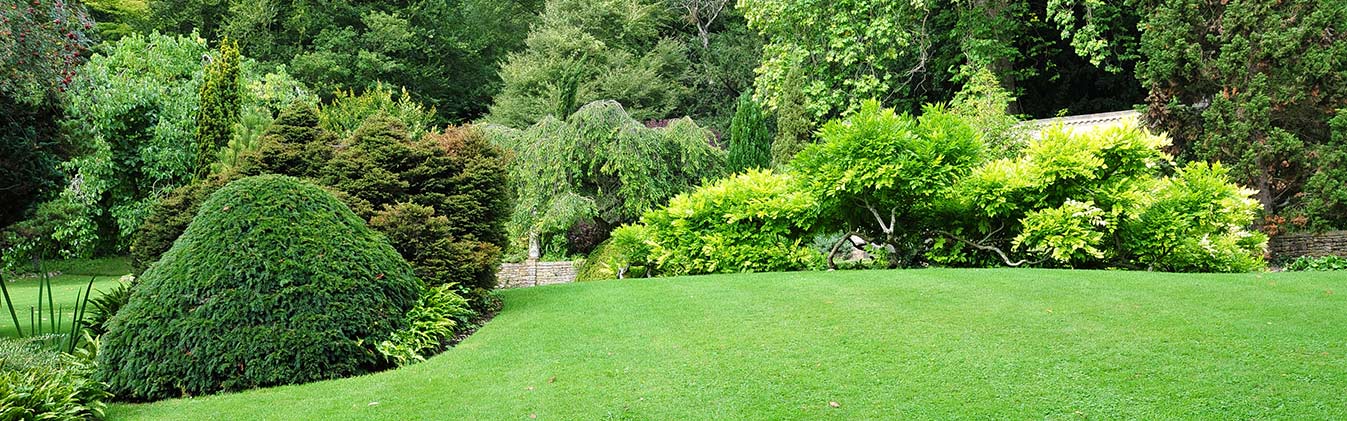


Anerley Station Crystal Palace terrace makeover by local gardeners
Posted on 12/11/2026
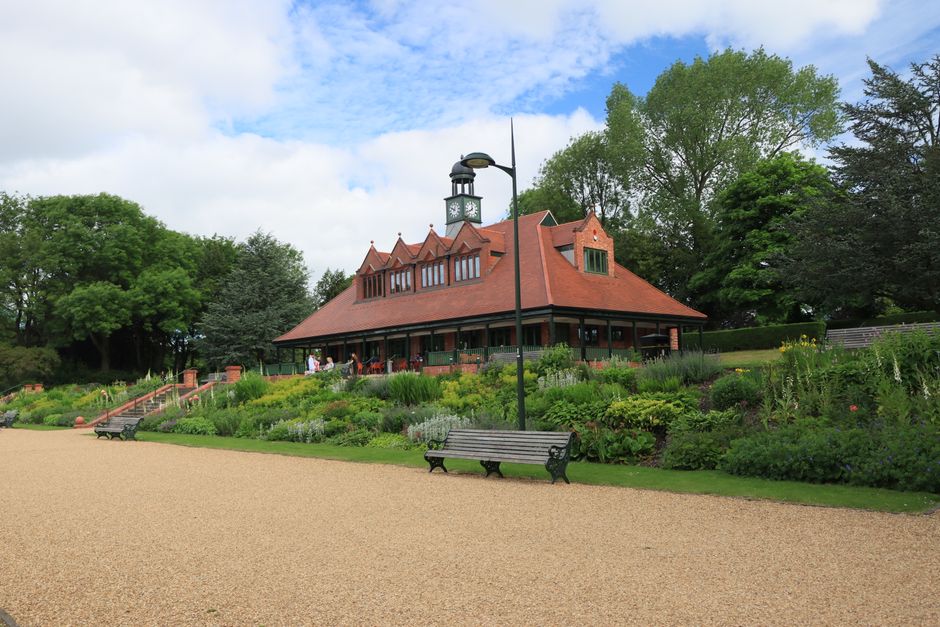
Anerley Station Crystal Palace Terrace Makeover by Local Gardeners
If you live near Anerley Station and your terrace has started to feel a bit tired, cramped, or downright ignored, you are not alone. A terrace should work hard: morning coffee spot, evening unwind zone, occasional plant nursery, maybe a place to dry washing without it becoming the whole personality of the space. An Anerley Station Crystal Palace terrace makeover by local gardeners is really about turning that awkward outside area into something calmer, greener, and far more usable without making it feel overdone.
In this guide, we will look at what a terrace makeover involves, why local knowledge matters, how the process usually works, and which practical choices make the biggest difference. You will also find a comparison table, a proper checklist, and a few realistic mistakes to avoid. No fluff, no grand promises. Just the kind of advice that helps you make sensible decisions and end up with a terrace you actually use.
Why Anerley Station Crystal Palace terrace makeover by local gardeners Matters
Terraces around Anerley and Crystal Palace often deal with the same tricky combination: limited space, patchy light, wind exposure, hard surfaces that heat up in summer, and a layout that may never have been designed for real everyday use. That is exactly why a terrace makeover matters. It is not just about making things look neat for a weekend. It is about shaping a small outdoor space so it feels comfortable, practical, and easy to maintain over time.
Local gardeners tend to approach these spaces differently from a generic landscape crew. They are familiar with South London terraces, know how quickly a narrow garden can become cluttered, and understand the sort of plants that cope better in sheltered courtyards or exposed upper-level spaces. They also know when a simple tidy-up is enough and when the space needs more structural thinking, perhaps through practical landscaping work or better access to ongoing garden maintenance in Crystal Palace SE19.
To be fair, many terrace problems are not dramatic. They are the small things. A patio that never gets used because it feels grubby. A line of pots that looks promising in April but tired by August. A fence that makes the whole area feel closed in. Fix those details and the terrace suddenly opens up. It breathes a bit.
There is also a wellbeing side to it. Even a modest terrace can become a place to pause, hear the traffic fade a little, and catch some evening air. You do not need a huge budget or a designer's eye to get there. You need a plan, the right materials, and a gardener who knows what will genuinely work in the space you have.
How Anerley Station Crystal Palace terrace makeover by local gardeners Works
A good terrace makeover usually starts with an assessment, not with a trowel. Local gardeners will look at the size of the space, the direction it faces, how much sun it gets, and what is already there. They will also spot practical issues: drainage problems, damaged paving, awkward edges, dead planting, or a fence line that needs attention. A terrace makeover is part design, part repair, and part long-term planning.
Once the initial assessment is done, the work normally falls into a few phases. First comes clearing and making safe. That might mean removing overgrowth, old containers, broken furniture, mossy debris, or tired planting. If the hard surfaces are slippery or stained, patio cleaning in Crystal Palace SE19 can make a shocking difference. Sometimes people think they need a full rebuild when, honestly, they just need the surface to stop looking permanently grey.
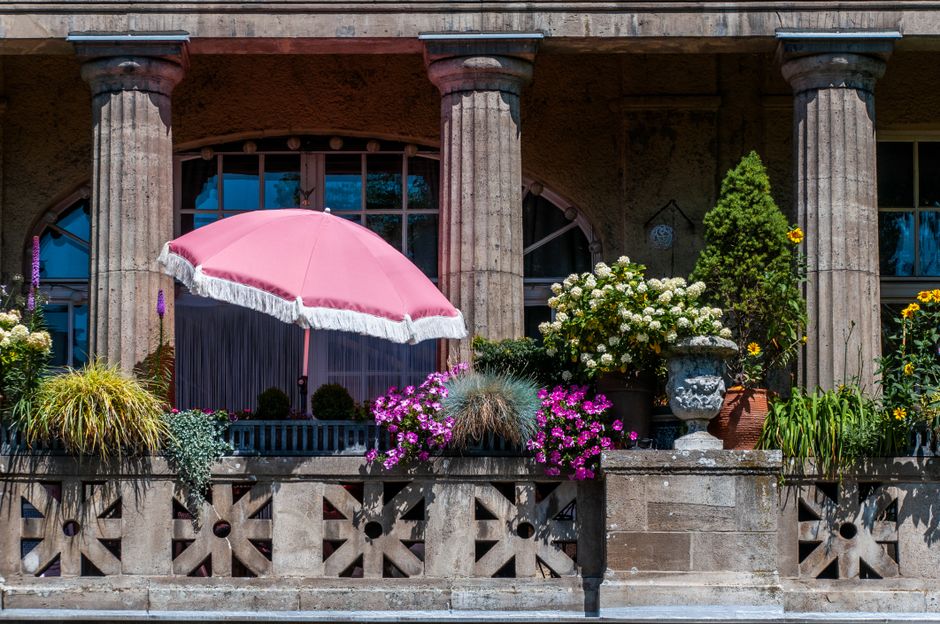
Then comes the design stage. This is where the space gets a personality. Some terraces suit a calm, minimalist feel with a couple of raised planters, a compact seating area, and evergreen structure. Others do better with layered containers, climbers on a trellis, and a small herb zone close to the door. If the terrace is too exposed, local gardeners may suggest screening through fencing solutions or help with wind-tolerant planting ideas from windy garden challenges.
The finishing phase is about detail. Soil quality, drainage, pot size, plant spacing, and the position of seating all matter more than people expect. A cramped terrace with the wrong pots can feel smaller after a makeover. The same terrace with clever vertical planting, a smart path line, and fewer but better chosen features can feel twice the size. Strange, but true.
Key Benefits and Practical Advantages
The strongest benefit is usability. A well-planned terrace invites you outside. That matters more than looking pretty in photographs. If the area works for breakfast, reading, a quick stretch, or a couple of pots of herbs, it starts earning its keep.
Here are the benefits most homeowners notice first:
- Better visual order: clutter falls away, and the terrace stops feeling like a storage corner.
- More usable space: compact layouts can create room for seating, planting, and easy movement.
- Lower maintenance: smart plant selection and good materials reduce weekly effort.
- Improved privacy: screening, planting, or fencing can soften nearby views.
- Better year-round interest: evergreen structure and layered planting keep the terrace attractive beyond summer.
- Safer surfaces: cleaning and surface repair help reduce slips and grime buildup.
Another underrated advantage is confidence. Once a terrace has a proper shape, it becomes easier to care for. You know where things belong. That sounds small, but it changes how often you use the space. It is a bit like tidying a kitchen shelf; the whole room feels easier to live with.
If your terrace is connected to the rest of the garden, a makeover can also improve the larger setting. For example, pairing the terrace with lawn care in Crystal Palace SE19 or a better planting framework can make the whole outdoor space feel more coherent rather than pieced together. And if the space has become overrun, a full reset inspired by reviving an overgrown garden may be the right starting point.
Expert summary: the best terrace makeovers are not the most dramatic ones. They are the ones that solve a few real problems at once: poor layout, tired surfaces, awkward planting, and lack of privacy. Solve those, and the terrace starts feeling genuinely liveable.
Who This Is For and When It Makes Sense
This kind of makeover is a good fit if your terrace is underused, visually flat, or difficult to keep tidy. It is also a strong option if you have recently moved, have let the space drift for a while, or just want a calmer outdoor zone without taking on a full garden redesign.
It makes particular sense for:
- homeowners who want a cleaner, more inviting outdoor space
- renters with permission to improve pots, furniture, and soft landscaping
- busy households that need low-maintenance planting
- people working from home who want a proper outdoor break area
- small families needing a safer, less cluttered terrace
- anyone dealing with a windy, shaded, or heavily paved terrace
If you are wondering whether the job is too small for a gardener, the answer is usually no. In fact, small spaces benefit from experienced hands because there is less room for trial and error. A few bad choices can dominate the whole area. A few smart ones can transform it. That is the whole game.
Local gardeners are especially useful if you want the terrace to match the rest of your outdoor space. They can coordinate with broader gardening services in Crystal Palace SE19, or they can work more narrowly on the terrace itself while leaving room for future phases. There is no need to do everything at once unless the space is really in trouble.
Step-by-Step Guidance
A sensible terrace makeover usually follows a clear sequence. Skipping steps is where many DIY projects go a bit wobbly. Let's keep it straightforward.
- Survey the space. Notice what gets sun, shade, or wind. Check where water gathers after rain. Look at sightlines from inside the house.
- Clear the clutter. Remove damaged pots, dead plants, tired furniture, and anything that makes movement awkward. A clean starting point changes everything.
- Deal with surfaces. Wash, sweep, repair, or replace areas that are slippery, stained, or cracked. If decking is part of the terrace, it may be worth considering decking services where appropriate.
- Decide the zones. Even a tiny terrace can have a sitting area, a planting edge, and a storage corner. Small zoning makes the space feel intentional.
- Choose structure first. Planters, trellis, screening, and seating come before decorative extras. The bones matter.
- Select plants for the conditions. Use containers or beds that suit the light, exposure, and maintenance level you can realistically keep up with.
- Add layers and texture. Mix upright plants, trailing plants, and one or two feature pieces so the terrace feels alive rather than flat.
- Finish with practical details. Storage, watering access, lighting, and easy-clean surfaces should all be considered before the job ends.
A small but useful habit: stand inside the doorway and look out at the terrace before you finalise the plan. The view from the house usually reveals what matters most. If a giant pot blocks the visual line or a bench feels too dominant, you will notice it there first, not after the work is done.
For planting ideas, container-heavy terraces can benefit from guidance on container gardening, while shaded corners may be better suited to evergreen vines for shaded areas. That kind of planting choice is often where a local gardener earns their keep. Not glamorous, but very effective.
Expert Tips for Better Results
Good terrace makeovers are usually won in the planning stage. Here are the things experienced gardeners pay attention to that many people miss.
- Keep the palette tight. Two or three container styles often look better than seven different ones.
- Use height wisely. Vertical interest saves floor space. Trellis planting or tall planters can help a small terrace feel fuller without feeling crowded.
- Think seasonal rhythm. A terrace should still feel alive in January, not just in June. Evergreen structure matters.
- Don't overcrowd the furniture. One good chair set beats a squeezed cluster of items that no one wants to move.
- Prioritise easy access to water. If watering is annoying, the plants will suffer. Simple as that.
- Choose plants that suit your actual habits. If you travel a lot or forget to water, low-maintenance options are not a compromise. They are a smart decision.
A nice trick is to repeat one material or colour in different places. For example, use the same tone in a planter, a bench cushion, and a small storage box. It gives the terrace a calm visual thread. Nothing flashy. Just neat and settled.
If privacy is a concern, think beyond solid barriers. Soft screening with planting can feel friendlier than a hard wall. For some homes, fast-growing privacy hedges are useful in larger plots, while in terrace settings, compact screening and careful furniture placement may do the job better. Truth be told, sometimes the best privacy solution is just moving the chair two feet to the left.
Common Mistakes to Avoid
People often get excited at the start, which is fair enough, and then make the same avoidable mistakes. A terrace does not need more stuff. It needs better decisions.
- Buying plants before understanding the light: a sun-loving plant in shade will struggle, and the reverse is not much better.
- Ignoring drainage: terraces can be unforgiving when water sits in the wrong place.
- Using pots that are too small: they dry out quickly and can look lost in the space.
- Overcrowding the layout: a full terrace is not the same as a functional one.
- Choosing high-maintenance features by accident: a beautiful plant that needs constant care is only a good idea if you genuinely have time.
- Leaving surfaces untreated: moss, algae, and dirt creep back fast on neglected paving and decking.
Another common issue is making the terrace feel like a separate project rather than part of the home. If the view from the kitchen or living room is cluttered, the outdoor makeover will never feel complete. The best plans treat the terrace as an extension of your everyday space, not a decorative afterthought.
And one small warning from experience: people often underestimate how much better a space feels after removing one or two things. Not adding. Removing. That old bench you never use? Sometimes that is the real blockage.
Tools, Resources and Recommendations
You do not need a warehouse of kit for a terrace makeover, but you do need the right basics. A tidy, practical setup usually gets better results than a pile of fancy gear used once and forgotten.
Helpful tools and resources often include:
- stiff outdoor brushes for sweeping and surface prep
- pressure-safe cleaning methods where suitable for paving or stone
- good-quality hand tools for container planting and trimming
- mulch or decorative top dressing to keep soil stable and neat
- water-resistant storage for cushions and accessories
- simple lighting for evening use and safer movement
- compact pruning tools for tidying climbers and container plants
For ongoing upkeep, a professional garden maintenance service can help stop the terrace slipping back into neglect. That matters more than people think. A gorgeous makeover can fade quickly if nobody has time to maintain it. That is just life, really.
It can also help to keep a few reading points in mind. If weeds and pests are a recurring issue around the terrace edges, the guidance in practical weed control tips and lawn pest and disease advice can be useful where nearby planting or grass is involved. If you are after a simpler, lower-effort terrace overall, affordable low-maintenance garden ideas are worth borrowing from.
Law, Compliance, Standards and Best Practice
Most terrace makeovers do not trigger formal planning issues, but there are still sensible checks to make. If your terrace is shared, part of a leasehold property, or attached to common access routes, you should confirm who is responsible for changes before any structural work begins. That is especially true in flats, conversions, or properties near station roads where boundaries can be a little fuzzy.
Good practice also means using safe methods for cleaning, lifting, and installing heavy objects. Terraces often sit above lower levels or over service areas, so anything that creates extra load needs to be thought through properly. If in doubt, a local professional should advise cautiously rather than guess. Better to pause for one day than fix a problem for one year.
For taller planting, screens, or tree-related work, you should also take care not to interfere with neighbours' light, access, or overhanging growth. Where larger shrubs or small trees need shaping, tree surgery in Crystal Palace SE19 may be relevant, but only where the work genuinely calls for it. And if your terrace design includes height-managed greenery, hedge trimming techniques can help keep the look neat and intentional.
Also, a word on materials: choose products that are suited to outdoor exposure and local conditions. It sounds obvious, but inexpensive items often fail quickly under rain, frost, and repeated movement. The terrace ends up looking tired again, and nobody wants that loop.
Options, Methods, or Comparison Table
Different terrace makeovers suit different goals. Here is a practical comparison to help you think clearly before committing.
| Approach | Best for | Strengths | Limitations |
|---|---|---|---|
| Quick refresh | Spaces that are structurally fine but look dull | Fast, affordable, minimal disruption | Won't solve deeper layout or drainage issues |
| Plant-led makeover | Terraces needing softness and seasonal interest | Brings life, colour, and flexibility | Needs thoughtful watering and plant selection |
| Surface-led makeover | Dirty, slippery, or visually worn terraces | Immediate improvement in feel and safety | Can still feel bare without planting or furniture |
| Full redesign | Spaces with poor layout, privacy issues, or clutter | Most transformative and long-lasting | Takes more planning and budget |
If your terrace is narrow, vertical solutions and compact planting usually outperform bulky features. If it is larger but still awkward, a fuller redesign may be justified. The trick is to match the method to the problem, not to the daydream in your head. We all do the daydream thing. Nothing wrong with that. But the terrace has to work on a Tuesday afternoon too.
Case Study or Real-World Example
Imagine a terrace near Anerley Station that has become a bit of a catch-all: a couple of faded pots, a mossy patio, one wobbly chair, and some untidy edges where old plants once lived. The owner wants the space to feel calmer but does not want a dramatic rebuild.
A local gardener might start by clearing out the dead material, cleaning the patio, and checking the drainage. Next, they could introduce two or three generous planters with hardier planting, add a slim screen for privacy, and position one simple seating area where the light is best in late afternoon. If the terrace is exposed, they might recommend a wind-aware planting scheme and avoid tall, top-heavy arrangements that get battered quickly.
After that, the whole feel changes. The space is still small, still urban, still very much London. But now it has order, some greenery, and a reason to be used. Maybe that sounds modest. It is modest. And yet modest is often what people really need. Not a fantasy garden. Just a place they can open the door to and exhale.
That is the value of working with local gardeners: they do not need to oversell the terrace. They need to make it work.
Practical Checklist
Before you start, run through this list. It saves time, money, and the sort of regret that usually arrives two weeks after a purchase.
- Have you measured the usable terrace area accurately?
- Do you know which parts get sun, shade, wind, and shelter?
- Are the current surfaces clean, safe, and in decent repair?
- Have you decided whether the goal is refresh, planting, or full redesign?
- Do you want privacy, seating, storage, or all three?
- Have you chosen plants that suit the site conditions?
- Is watering practical for your routine?
- Have you considered maintenance after the makeover is complete?
- Are any shared-space, leasehold, or boundary issues relevant?
- Does the plan make the terrace easier to use, not just nicer to look at?
Simple rule of thumb: if the plan makes the space prettier but harder to live with, rethink it. If it makes the terrace calmer, easier, and more inviting, you are probably on the right track.
For more about the team behind the work, you can also look at the about us page to understand the local approach and the kind of practical help available.
Get a free quote today and see how much you can save.
Conclusion
An Anerley Station Crystal Palace terrace makeover by local gardeners is at its best when it balances design with day-to-day practicality. The goal is not to create a showpiece you are afraid to use. It is to shape a space that feels inviting, manageable, and useful in real life, even on a grey weekday when the weather is not exactly playing along.
Whether your terrace needs a simple tidy-up, better planting, cleaner surfaces, or a full rethink, the right local gardener can help you avoid guesswork and make choices that last. And honestly, that is what makes the difference. Not flashy extras. Just the quiet satisfaction of stepping outside and thinking, yes, this works.
If you take one thing away, let it be this: small outdoor spaces reward careful planning more than big spending. Start with the basics, keep the layout honest, and build from there. The result can be surprisingly uplifting.

Utilizing his expertise as a gardening manager, Jason has assisted numerous customers in realizing the garden designs they aspired to. His articles focus on sustainable gardening practices and convenient service provisions.