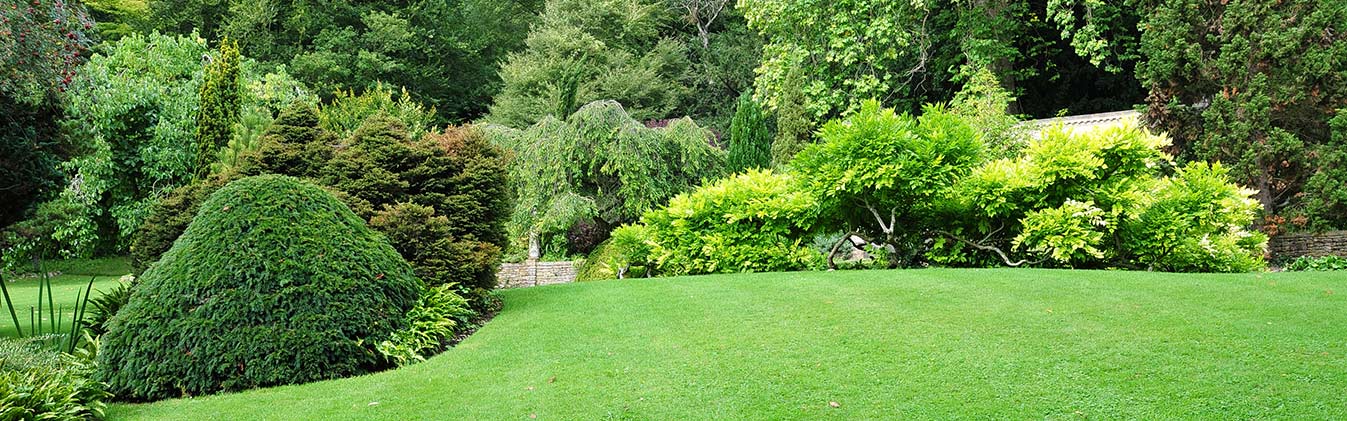


Crystal Palace gardeners same day emergency lawn rescue
Posted on 11/10/2026
Crystal Palace gardeners same day emergency lawn rescue: fast, practical help when your lawn needs saving today
If your lawn has been battered by stormy weather, scorched by heat, damaged by pets, or chewed up by unexpected foot traffic, you do not have the luxury of waiting around. That is exactly where Crystal Palace gardeners same day emergency lawn rescue comes in. It is the kind of urgent, local help that steps in quickly, assesses the damage properly, and gets your grass back to a healthier, safer state before the problem spreads.
In Crystal Palace, lawns take a fair amount of abuse. One wet afternoon, one delivery path across the turf, one burst of summer dryness, and suddenly the garden looks tired, patchy, or frankly a bit sorry for itself. This guide explains what same-day lawn rescue really involves, how it works, what to expect, and how to choose the right approach when time matters. We will keep it practical, human, and focused on what actually helps.
Why Crystal Palace gardeners same day emergency lawn rescue Matters
A damaged lawn is not just a cosmetic issue. Left alone, a small patch can turn into a wider problem: compacted soil, fungal spread, weed invasion, and areas that never quite recover. The faster the response, the better the chance of restoring the grass cleanly and avoiding bigger repairs later.
Same-day rescue matters most when the lawn has suffered a sudden shock. Think heavy rain that has left the surface waterlogged, a builder's skip parked on the grass, a dog digging out a corner, or a summer spell that has turned the turf straw-coloured. In those moments, speed helps because the lawn is still in a recoverable state. That window closes surprisingly quickly. Truth be told, lawns can look worse by the hour once soil structure is damaged.
There is also a safety side. Uneven ground, slick mossy patches, hidden debris, or exposed edging can become a trip hazard, especially in family gardens. If you are hosting, selling a property, or simply want your outdoor space back to normal without a week of stress, emergency lawn rescue is often the sensible call.
Expert summary: same-day lawn rescue is most effective when the problem is fresh, the cause is identified quickly, and the fix is tailored rather than rushed. Fast does not mean careless. Done properly, it is a focused response that stabilises the lawn first, then supports recovery.
If the damage is part of a bigger garden issue, it can also make sense to look at broader support such as regular garden maintenance in Crystal Palace or broader lawn care services so the rescue does not become a repeat job two weeks later.
How Crystal Palace gardeners same day emergency lawn rescue Works
Most emergency lawn rescues follow a simple pattern: assess, stabilise, repair, and advise. The details vary depending on the damage, but the process should feel clear from the start. If it does not, that is a red flag. You want a gardener who can explain what is happening in plain English.
1. Initial assessment
The first job is to identify the type of damage. Is the turf torn, flattened, burned, waterlogged, compacted, or infested with weeds? Different causes need different responses. For example, a lawn suffering from puddling needs drainage thinking, while a scorched lawn may need watering strategy and selective recovery work. It sounds obvious, but people often treat every lawn problem as if it is the same thing. It really is not.
2. Immediate stabilisation
Emergency work usually starts with the parts that are causing the most harm. That may mean clearing debris, lifting matted grass, reducing foot traffic, lightly mowing damaged edges, aerating compacted areas, or removing material that is smothering the turf. If the lawn has been trampled or flattened by furniture, builders, or garden access, the first aim is to reduce pressure and let the grass breathe again.
3. Targeted recovery
Once the surface is stable, the gardener can focus on recovery tasks such as overseeding bare patches, top dressing, levelling hollows, feeding where appropriate, or improving soil structure. In some cases, the work is quick and tidy. In other cases, it needs a staged plan. A good emergency response does not overpromise. It tells you what can be improved today and what needs follow-up.
4. Aftercare advice
The final stage is often the most underrated. A lawn can look dramatically better after a same-day rescue, but it still needs sensible aftercare. You may be advised to avoid heavy use, water at specific times, leave feed to settle, or keep pets off a patched area for a short while. That guidance matters more than people realise. A beautiful rescue can be undone in one wet evening if the lawn is used too soon.
For problems linked to weeds, pests, or disease, it is also worth reading practical guidance like how to deal with weeds, pests and diseases in your lawn. Emergency rescue deals with the immediate issue, but this kind of background knowledge helps stop the same thing repeating.
Key Benefits and Practical Advantages
Same-day lawn rescue is not only about speed. The real value is in limiting damage and restoring the garden to a usable condition quickly. When the work is done properly, the benefits stack up fast.
- Less long-term damage: early intervention prevents patch spread, soil compaction, and weed takeover.
- Better lawn recovery: the turf has a stronger chance of bouncing back if the right steps are taken early.
- Cleaner presentation: useful if you have guests coming, are preparing a property for viewing, or just want the garden looking cared for.
- Safer use of the garden: fewer slippery, uneven, or debris-covered areas.
- More precise repair: a trained gardener can distinguish between surface damage and deeper root issues.
- Less guesswork: no wasted weekend trying random fixes that may actually make things worse.
There is also a psychological benefit, oddly enough. A rough lawn can make the whole garden feel neglected. Fixing it quickly changes the feel of the space. You notice the garden again. The grass looks greener, the borders seem calmer, and the whole place starts to feel looked after. Small thing? Maybe. But it counts.
Where the lawn damage is part of a broader garden decline, combining emergency rescue with full gardening services in Crystal Palace can be a smarter use of time than dealing with surface symptoms one by one.
Who This Is For and When It Makes Sense
This service is for anyone who needs a lawn fixed quickly, but the best candidates tend to fall into a few practical groups.
- Homeowners with sudden lawn damage: storm fallout, pet damage, burnt areas, or accidental turf tears.
- Landlords and letting agents: when the outdoor space needs to look presentable before inspection or move-in.
- Busy families: if the garden has become unusable and you need it back for everyday life.
- People preparing for an event: birthdays, BBQs, summer gatherings, or open-house viewings.
- Property managers: where presentation and safety both matter.
It makes sense when the lawn damage is recent, visible, and fixable with professional intervention. If the turf has been neglected for months, or the problem is mainly structural drainage failure, same-day rescue may still help, but it will be only part of the answer. In those cases, a more measured plan may be needed.
As a simple rule: if the lawn has gone from "fine yesterday" to "needs help now," emergency rescue is probably the right starting point. If the issue has built up over seasons, then rescue plus restoration is usually the better long-term route.
For a more complete garden refresh, some people pair lawn rescue with garden makeover support or even structural work such as landscaping in Crystal Palace SE19 if the underlying garden layout is part of the trouble.
Step-by-Step Guidance
If you are deciding how to handle a lawn emergency, here is the practical route I would follow. Not glamorous, but effective.
- Stop the damage from getting worse. Keep people, pets, wheelie bins, and garden tools off the worst areas.
- Take a quick look at the cause. Was it weather, traffic, cutting, pests, shade, or waterlogging?
- Photograph the lawn before work begins. This helps with comparison and keeps the rescue plan grounded in what is actually there.
- Get a same-day assessment. A good gardener will look at turf condition, soil firmness, moisture levels, and the depth of the damage.
- Agree on the rescue priority. Some lawns need immediate clearing and levelling; others need aeration, patch repair, or a light cut first.
- Carry out the urgent repair. This may include scarifying light debris, lifting matted grass, overseeding, or topping up worn areas.
- Protect the restored area. Temporary avoidance is often part of the fix, even if the lawn looks almost normal again.
- Schedule follow-up care if needed. A second visit for mowing, feeding, or deeper restoration can lock in the gains.
That last step matters. Emergency rescue is a front-line response, not always the final chapter. It is a bit like patching a leak before repainting the wall. You want the structure stable first.
Some people are tempted to mow immediately because the lawn looks uneven. Sometimes that is fine, sometimes not. If the grass is stressed, cutting too soon can make the recovery slower. A local gardener will judge this on the day rather than forcing a generic rule. That judgement is the real value.
If overgrowth is part of the issue, a targeted lawn mowing service can help restore a manageable surface without shocking the turf. And if edges, hedges, or adjacent planting are blocking light or airflow, hedge trimming in Crystal Palace can be part of the wider fix.
Expert Tips for Better Results
Here are the things that tend to make the biggest difference in real gardens, not just on paper.
Act while the turf is still alive
Once grass crowns die off fully, recovery slows down a lot. If the area is still green in parts, that is encouraging. Even damaged lawns often have enough life left to recover well with quick action.
Match the repair to the season
In cooler, wetter months, drainage and compaction are often the main issues. In warmer weather, the focus shifts more toward moisture management and scorch recovery. The same lawn can need very different treatment across the year.
Do not drown stressed turf
People often overwater in panic. If the lawn is already waterlogged, more water is the last thing it needs. On the other hand, a dry and brittle lawn may need careful watering, not a flood. The middle ground is the trick.
Keep your expectations realistic
Emergency rescue can make a dramatic improvement quickly, but not every lawn can be "new" in one visit. Sometimes you are looking at stabilisation today and fuller recovery over the next few weeks. That is still a win.
Think about the cause, not just the symptoms
If the lawn keeps failing in the same spot, ask why. Shade? Drainage? Repeated use? A hidden root system? A nearby fence throwing too much shadow? The good news is that most recurring lawn problems have an answer, even if it is not obvious at first.
Key takeaway: the best same-day lawn rescue is not the fastest-looking job. It is the one that solves the immediate issue without creating new problems for the next month.
And one slightly nerdy but useful point: lawns are more resilient when the soil beneath them is healthy. That is why recovery work often improves greatly when soil structure is addressed, not just the surface. If you like getting the foundations right, creating nutrient-rich soil is worth a look in the background.

Common Mistakes to Avoid
A lot of lawn damage gets made worse by well-meaning quick fixes. It happens all the time.
- Cutting a damaged lawn too short: this can expose weak grass and slow recovery.
- Working on wet soil: footprints and equipment can compact the ground further.
- Ignoring the cause: if drainage, shade, or pet behaviour stays unchanged, the problem comes back.
- Using too much fertiliser too soon: stressed grass can react badly to overfeeding.
- Raking aggressively: useful in some cases, but too harsh when the lawn is already fragile.
- Delaying repair on bare patches: weeds move in fast. They do not hang about.
One classic mistake is trying to rescue everything with one product. Moss killer, feed, seed, weed treatment, top dressing, and a prayer. Too much, too soon. A calmer plan usually does better. You want the lawn to recover, not wage war on it.
Another mistake: assuming the same fix works in shaded spots, sunny spots, and high-traffic routes. Not even close. For persistent shade problems, you may need a different planting or ground-cover strategy, and sometimes a broader rethink of the garden. If shade is a major factor, this guide on evergreen vines for shaded areas can help inform a more lasting solution nearby.
Tools, Resources and Recommendations
Emergency lawn rescue often relies on a sensible mix of equipment and judgement. The kit matters, but it is not magic.
| Tool or resource | What it helps with | Best used when |
|---|---|---|
| Spring rake or leaf rake | Removing debris, lifted thatch, and loose material | Surface cleanup after storms or foot traffic |
| Core aerator or fork | Relieving compaction and improving airflow | Soil feels hard, slick, or waterlogged |
| Top dressing mix | Levelling minor hollows and supporting seed contact | Patch repair and surface smoothing |
| Grass seed suited to the site | Filling bare or thin areas | After turf loss or patching |
| Light mower with sharp blades | Cleaning up overlong grass without ripping it | Once the lawn is stable enough to cut |
| Watering can or hose with restraint | Controlled moisture after repair | Dry recovery periods or seed establishment |
A few practical recommendations help even before a gardener arrives:
- Keep the lawn clear of furniture and heavy pots.
- Do not cut wet grass if you can avoid it.
- Remove branches, litter, and debris gently.
- Note where the worst areas are and what happened before the damage.
- If pets are involved, make a temporary plan to keep them off the patch. Easier said than done, I know.
For longer-term prevention, it is smart to keep up with routine care rather than waiting for a crisis. A well-kept garden with regular visits from garden maintenance specialists tends to absorb shocks much better.
You may also want to read about indispensable tools for passionate gardeners if you are building a simple at-home kit for small fixes between visits.
Law, Compliance, Standards, or Best Practice
For most homeowners, lawn rescue is a practical garden task rather than a regulated process. Still, there are sensible standards and neighbourly expectations to keep in mind. If work involves noise, access, waste removal, or using machinery near boundaries, it is wise to keep things tidy, courteous, and within normal local rules. In built-up parts of Crystal Palace, that often just means being considerate about timing and cleanup.
If the rescue includes tree roots, boundary hedges, fencing lines, or major landscaping changes, there may be wider property considerations. It is sensible to avoid disturbing shared boundaries or underground services without checking carefully first. That is basic best practice, but it saves hassle.
In terms of workmanship, a good standard for lawn rescue is straightforward: the area should be left safe, visibly improved, and ready for the next stage of recovery. If the gardener has used feed, seed, or dressing, you should be told what the aftercare is. If they have identified a deeper problem, they should say so clearly rather than dressing it up.
For more substantial outdoor work that goes beyond grass repair, you may need related services such as tree surgery, fencing, or decking services, especially if shade, access, or damaged structures are contributing to the problem.
Options, Methods, or Comparison Table
Not every lawn emergency needs the same approach. Here is a simple comparison to help you see the difference between the main response types.
| Method | Best for | Speed | Limitations |
|---|---|---|---|
| Rapid clean-up and mowing | Overgrown or untidy lawns that are still healthy underneath | Very fast | Does not fix soil or root issues |
| Patch repair and overseeding | Bare spots, pet damage, or minor torn areas | Fast to start, slower to complete | Needs aftercare and patience |
| Aeration and top dressing | Compacted, tired, or uneven lawns | Moderate | More useful as part of recovery than as a cosmetic fix |
| Drainage-aware restoration | Waterlogged or repeatedly soggy areas | Slower | May need follow-up work or landscaping changes |
| Full garden reset | Severely neglected or structurally problematic spaces | Varies | More work, more planning, but often the best long-term answer |
In practice, the best option is often a blend. For example, a lawn might need a quick same-day clean-up, plus overseeding in the worst area, plus a follow-up cut once the grass settles. That mixed approach is common, and usually sensible.
Case Study or Real-World Example
Here is a realistic example from the sort of situation many Crystal Palace gardens face. A family returns after a few days away in wet weather and finds the lawn has been flattened by repeated access from tradespeople. One corner is slick with mud, another patch has been torn by wheel movement, and the centre strip looks tired and bruised.
Same-day rescue would typically start with clearing the debris and identifying the worst compacted zones. The gardener might lightly lift the grass, improve airflow, and apply a small amount of top dressing where the surface has sunk. The damaged edge could be seeded if the turf is still thin but salvageable. If the lawn is too wet to mow properly, that part is postponed rather than forced. That is the kind of judgement that makes the difference.
A week later, the lawn would not be perfect, but it would be moving in the right direction: firmer underfoot, less muddy, and less likely to spread the damage. A second visit, or even just a quick return cut once the grass has recovered, can tidy the finish nicely. It is the kind of result that feels modest on paper and very satisfying in real life.
Sometimes the rescue is accompanied by nearby fixes too. For instance, if access paths are muddy or slippery, patio cleaning in Crystal Palace SE19 can help restore the area around the lawn so the whole garden feels looked after, not just the grass.
Practical Checklist
Use this quick checklist before and during an emergency lawn rescue.
- Identify what happened and when it happened.
- Keep people, pets, and heavy items off the worst patches.
- Check whether the lawn is wet, dry, compacted, or torn.
- Remove loose debris gently.
- Take photos of the problem areas.
- Decide whether the issue is cosmetic, structural, or both.
- Arrange same-day help if the damage is fresh.
- Ask what the immediate treatment will be.
- Confirm any aftercare instructions before the work ends.
- Plan a follow-up if the lawn needs recovery time.
Quick reminder: a good emergency lawn rescue should make the lawn safer, cleaner, and easier to recover. It should not leave you guessing what happens next.
Conclusion
Crystal Palace gardeners same day emergency lawn rescue is about more than speed. It is about stopping fresh damage from becoming long-term damage, restoring the garden's use, and giving the turf a proper chance to recover. The best response is calm, practical, and specific to the problem in front of you. That matters more than flashy promises.
If your lawn has been hit suddenly, do not wait for it to sort itself out. Grass can be resilient, but it still needs the right help at the right moment. A sensible same-day rescue can save time, reduce costs later, and bring the garden back to life with far less stress than most people expect.
Get a free quote today and see how much you can save.
And if you are already looking at the rest of the garden and thinking, "right, this could use a proper tidy," that is usually the sign you are on the right track. Little by little, the space comes back. It always does.

Utilizing his expertise as a gardening manager, Jason has assisted numerous customers in realizing the garden designs they aspired to. His articles focus on sustainable gardening practices and convenient service provisions.